






Dealing with Scoliosis in Old Age
Living with scoliosis in later life can be challenging, particularly when it begins to affect comfort, mobility and independence. While scoliosis is often associated with childhood or adolescence, many people develop spinal curvature later in life as part of the ageing process. This can lead to persistent back pain, stiffness, changes in posture and, in some cases, breathing difficulties.
The good news is that there are practical ways to manage scoliosis in old age. With the right medical guidance, lifestyle adjustments and supportive furniture, many people continue to live comfortably and remain active at home.
What is Scoliosis?
Scoliosis is a condition where the spine curves sideways rather than running in a straight line. The curve may appear as an “S” or “C” shape and can vary from mild to more pronounced. In older adults, scoliosis symptoms often include ongoing back pain, stiffness, reduc
ed flexibility, uneven shoulders or hips, and difficulty standing or sitting for long periods.
Scoliosis in the elderly is more common than many people realise. Around 5% of the UK population is affected by scoliosis in some form, and a significant number of cases develop later in life due to natural spinal changes. In older adults, symptoms may worsen gradually as muscles weaken and joints become less stable, making everyday movements more uncomfortable.
What Causes Scoliosis?
Scoliosis can develop for different reasons at different stages of life. In children and teenagers, the cause is often unknown and is usually identified during growth spurts. In contrast, scoliosis in old age is more commonly linked to spinal degeneration.
As we age, the discs and joints in the spine naturally wear down. This degeneration can cause the spine to lose alignment over time, leading to a curvature that develops later in life. Arthritis, osteoporosis and previous spinal injuries can also contribute. In these cases, the condition is sometimes referred to as degenerative scoliosis, and symptoms may progress slowly but steadily without the right support.
How to Deal with Scoliosis
If you or a loved one is experiencing scoliosis symptoms, it is important to seek advice from a healthcare professional. A GP or specialist can assess the severity of the curve and recommend appropriate treatment. In some cases, adult scoliosis may require surgery, although this is far less common in older adults and usually only considered when pain or mobility issues are severe.
For many people, managing scoliosis focuses on relieving discomfort, improving posture and maintaining mobility rather than trying to “fix” the curve itself. The following approaches can play an important role in everyday management.
Scoliosis Exercises
Gentle, targeted movement can help strengthen the muscles that support the spine and reduce stiffness. Scoliosis exercises for elderly people are usually low impact and focused on flexibility, balance and core strength rather than intensity. Activities such as stretching, light resistance exercises or guided physiotherapy can help relieve pressure on the spine and improve confidence when moving.
Maintain a Healthy Weight
Carrying extra weight can place additional strain on the spine, particularly when scoliosis is already present. Maintaining a healthy weight helps reduce pressure on the lower back and joints, making daily activities such as walking or standing more comfortable. Small changes to diet and exercise routine can make a noticeable difference to overall comfort and mobility.
Be Aware of Posture
Poor posture can aggravate scoliosis symptoms over time. Being mindful of how you sit, stand and rest can help minimise strain on the spine. Supportive seating, regular position changes and avoiding prolonged slouching all help reduce pressure on curved areas of the back.
Good posture is especially important when sitting for long periods. When watching television or reading, sitting unsupported can quickly cause discomfort.
Consider Mobility Furniture
Supportive furniture can make a significant difference when dealing with scoliosis in old age. Many people find that standard chairs and beds do not provide enough support for uneven spinal alignment, leading to increased pain and stiffness.
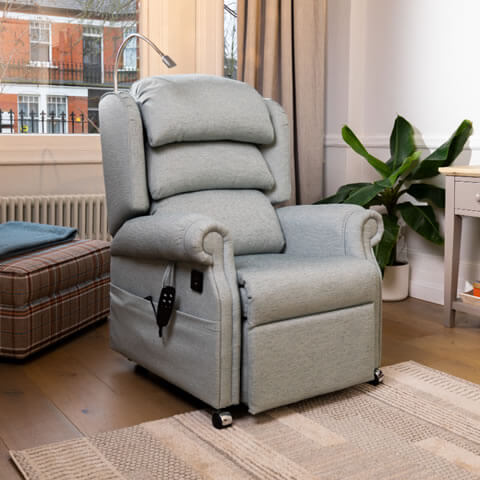
A well-designed riser recliner chair can offer tailored back support, helping the spine maintain a more comfortable position throughout the day. For those looking for the best chair for scoliosis, features such as adjustable recline, supportive cushioning and assisted standing can help reduce strain on the back and joints, while working to maintain and even improve posture.
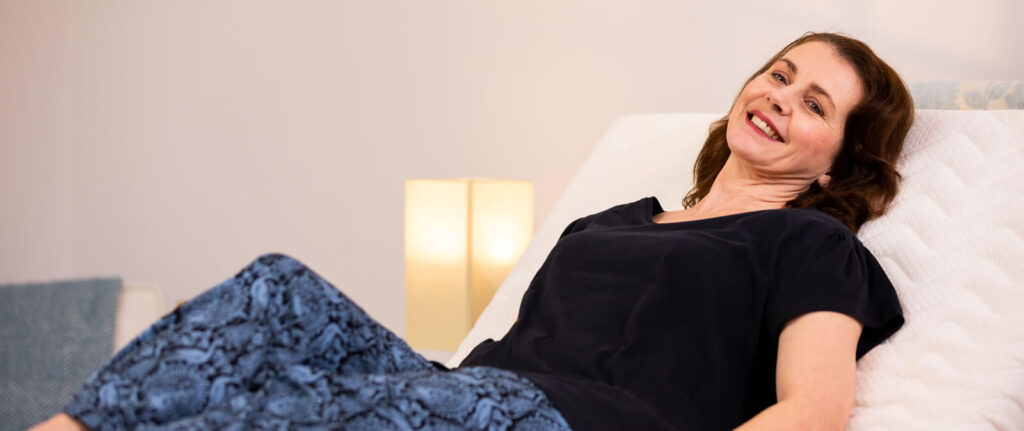
Sleep is equally important. An adjustable bed for scoliosis allows you to raise or lower different parts of the body, helping to find a position, such as the zero gravity sleeping position, that reduces pressure on the spine and supports natural alignment. Many people searching for the best bed for scoliosis find that adjustable positioning improves comfort, circulation and overall sleep quality, particularly during flare-ups.
At Grosvenor Mobility, our range of adjustable beds and riser recliner chairs is designed to support comfort, posture and independence at home. With free home trials available, you can take the time to find a solution that works for your body and your daily routine.
Riser Recliner Chairs
Choosing a riser recliner chair is a personal decision. This is the chair you will sit in every day, designed to feel just as right the moment you settle in as it does when it helps you back to your feet. That is why every chair we offer is bespoke, tailor-made to fit you perfectly. It is the difference between a chair that simply reclines and one that properly supports you & your independence. The result is the kind of comfort you notice straight away and the kind of support that quietly makes daily life feel easier.
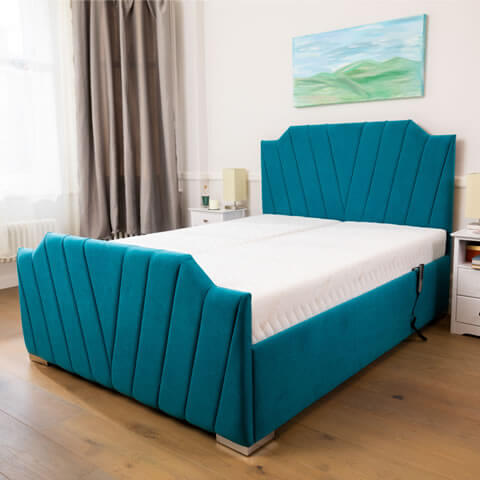
Adjustable Beds
The bedroom is your sanctuary. It’s your place to rest, unwind and totally relax. But to do so, you need the perfect adjustable bed; comfortable and luxurious. At Grosvenor Mobility our range of electric mobility recliner beds do just that. Featuring easy-to-use handsets that operate our ultra-quiet motors allowing you complete control at the touch of a button.