







Caring for Elderly Mental Health
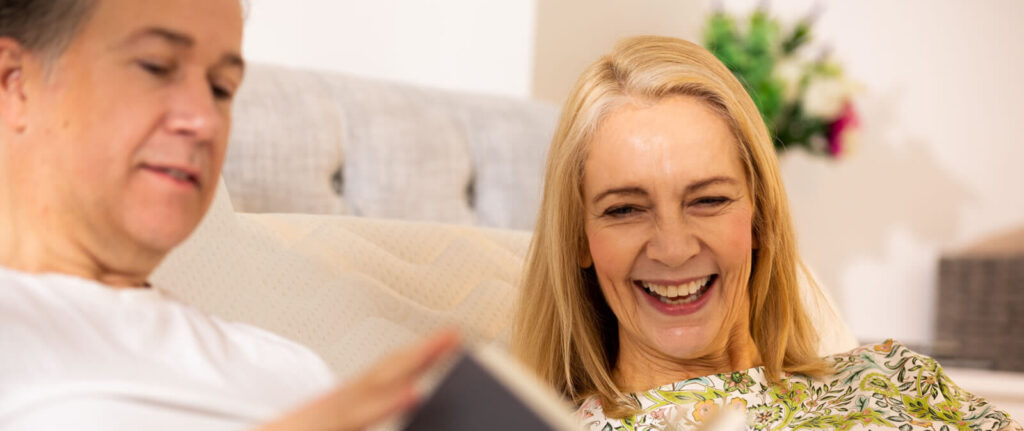
Just as we nurture physical strength, looking after our mental health is vital for staying independent. It helps us continue feeling like ourselves as we age. Life brings many changes, from retirement to new health conditions. While these transitions can feel daunting, your emotional wellbeing deserves protection. Acknowledging your needs is the first step toward the lasting peace of mind you deserve.
In this guide, we’ll explore the reality of elderly mental health and share gentle, practical ways to support your wellbeing at home.
Understanding Mental Health in Elderly People
We are part of a significant and growing demographic. According to the UK Parliament, nearly one in five people in the UK is now aged 65 or over. While living longer is a wonderful achievement, these years naturally bring new transitions that require our attention.
How Ageing Affects Our Mental Health
Research from Age UK highlights just how closely our age, physical comfort and moods are connected. These statistics about elderly mental health issues show that our emotional health is often a reflection of how our bodies feel:
- Physical Decline: Almost one in three people over 50 (31%) report their physical health has declined in the last year.
- Increased Pain: 32% are experiencing more physical pain than they were 12 months ago.
- Low Energy: 45% of people over 50 report having less energy, which can directly impact our mental spark.
- Restless Nights: Almost two in five (39%) report that they are not sleeping well.
Pain, tiredness, or poor rest can naturally make us feel less motivated. In fact, 34% of people report feeling less driven to enjoy their favourite hobbies. If you feel this way, please know it isn’t just your age. It is often a signal your body and mind need more support and comfort.
Recognising this connection is the first step toward feeling better. Understanding why we feel low helps us face common challenges. These are often manageable hurdles rather than permanent fixtures.
What is the Most Common Mental Illness in the Elderly?
Most often, the most common mental illness for older individuals is depression or anxiety, challenges that are frequently tied to physical fatigue and poor sleep.
Despite the statistics we’ve discussed, it’s important to remember that mental illness does not have to get worse with age. These issues are highly treatable, and with a supportive routine and a comfortable home, you can enjoy a real sense of peace and purpose. Improving your wellbeing is an empowering step, so let’s explore some gentle ways to start building that positive momentum.
How to Improve Mental Health in the Elderly
It is helpful to think of mental health as something that requires regular maintenance, much like our physical fitness. Taking active steps to keep ourselves supported, engaged and healthy is the best way to tackle and even prevent mental health issues.
Knowing where to start can feel overwhelming, but it often begins with a few small, gentle changes to your daily environment:
- Prioritise Restful Sleep: As we touched on earlier, a large number of people over 50 find it difficult to get a good night’s rest. Addressing this is a priority for your mood. A supportive adjustable bed can help you sleep better at night, making it easier to find a comfortable sleeping position, reducing back pain and the aches that keep you awake, helping you wake up with a brighter outlook.
- Stay Socially Connected: Social interaction is great for our mood and keeping spirits high. A wonderful way to stay connected is by inviting friends or family over to share in a pastime you enjoy. Whether it’s a game of cards or a creative craft, sharing your favourite hobbies to do at home is a great way of socialising with your loved ones.
- Address Physical Discomfort: Creating a danger-free home to overcome mobility issues is vital for reducing daily anxiety. A tailored riser recliner chair provides a safe, pain-free way to relax, giving you the confidence and security to focus on the things you love.
By supporting your body, you are creating a stable foundation for your mind. Once you feel comfortable and rested, you might find you have more energy to explore new, joyful ways to spend your time.
Mental Health Activities for Elderly People
Maintaining a sense of purpose and joy is a wonderful way to protect your wellbeing. Enjoy these gentle mental health activities at your own pace to help support your wellbeing:
- Mindful Hobbies: Whether it’s knitting, painting, or light gardening, creative time allows the mind to focus on the present moment, which is a natural way to reduce anxiety.
- Gentle Movement: You don’t need to be overly active to feel the benefits. Releasing endorphins through chair-based exercises or gentle walks is a great way to boost your mood and manage your weight without putting unnecessary strain on your joints.
- Cognitive Play: Keeping the brain sharp with puzzles, crosswords, or simply reading the morning paper can provide a rewarding sense of accomplishment and help maintain your focus throughout the day.
You don’t have to walk the path toward better mental health alone. At Grosvenor Mobility, we believe that emotional peace is often rooted in feeling confident and independent at home. To support your comfort, we offer a free, no-obligation home trial for our riser recliners and adjustable beds, an easy way to see how a more supportive environment can help encourage your independence and get you feeling more like yourself again.
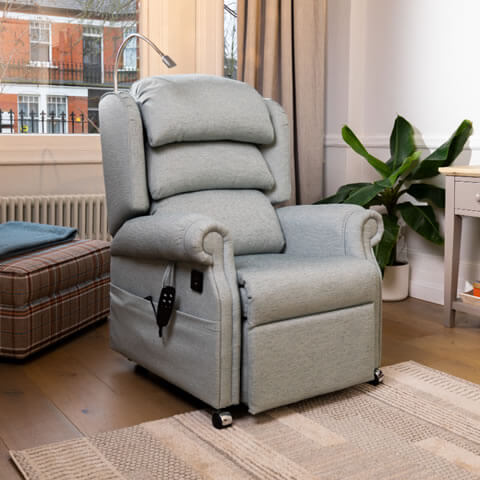
Riser Recliner Chairs
Choosing a riser recliner chair is a personal decision. This is the chair you will sit in every day, designed to feel just as right the moment you settle in as it does when it helps you back to your feet. That is why every chair we offer is bespoke, tailor-made to fit you perfectly. It is the difference between a chair that simply reclines and one that properly supports you & your independence. The result is the kind of comfort you notice straight away and the kind of support that quietly makes daily life feel easier.
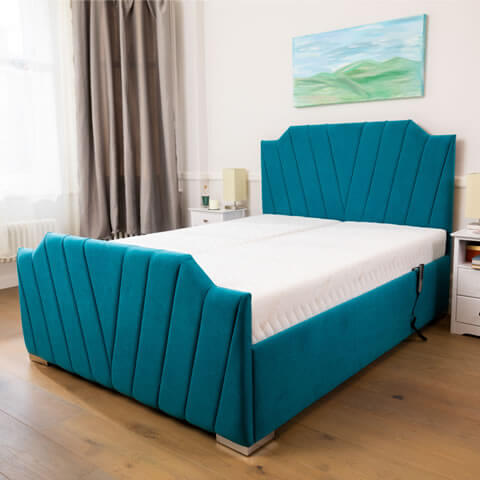
Adjustable Beds
The bedroom is your sanctuary. It’s your place to rest, unwind and totally relax. But to do so, you need the perfect adjustable bed; comfortable and luxurious. At Grosvenor Mobility our range of electric mobility recliner beds do just that. Featuring easy-to-use handsets that operate our ultra-quiet motors allowing you complete control at the touch of a button.