







Improving Circulation with Low Mobility
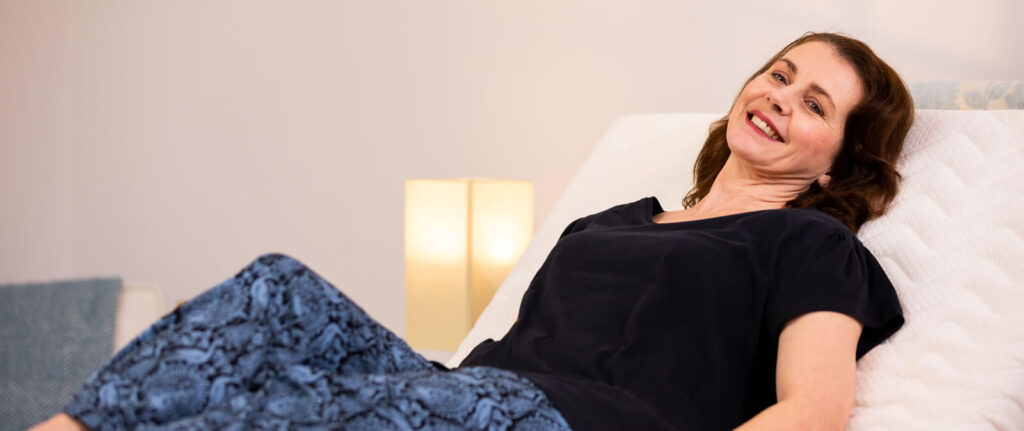
Living with limited mobility can sometimes feel a bit frustrating, especially when it starts to affect other areas of your health. One very common challenge that many of us face when we aren’t moving around as much is poor blood flow. When your movement is restricted, you might notice a link between poor circulation and joint pain, which can make the prospect of moving feel even more challenging.
The good news is that improving circulation is possible, even if you spend a large part of your day sitting or resting. By making a few gentle, manageable changes to your daily routine, you can support your body’s natural rhythm, boost your comfort, and protect your independence at home.
Understanding Circulation and Mobility
Before looking at ways to get things moving, it helps to understand how our bodies manage blood flow. Your heart pumps oxygen-rich blood out to your limbs, but it relies heavily on your muscles, particularly in your calves and legs, to help pump that blood back up to the heart.
When your movement is limited, this natural pumping action slows down. Maintaining good circulation is essential for keeping your limbs warm and healthy. When flow is sluggish, it is very common to experience cold hands and feet or a tingling ‘pins and needles’ sensation. You might also notice a heavy, tight feeling in your lower body, with swelling in warm weather often making things feel even more uncomfortable as the seasonal heat causes blood vessels to expand and fluid to pool.
If you are wondering how to improve circulation in hands and feet, the secret often lies in regular, low-effort movement and smart positioning throughout the day.
What Helps with Circulation While Sitting?
If you spend long periods in an armchair, you might find it difficult when you can’t easily get up for a walk, but there are some wonderful, low-impact chair exercises to get your blood moving from the comfort of your seat:
- Ankle Circles and Pumps: While resting your feet, point your toes down away from you, then pull them up toward your shins. Repeat this a few times, then gently rotate your ankles in circles.
- Seated Leg Lifts: If comfortable, slowly straighten your knee to raise your leg parallel to the floor, hold for a few seconds, and gently lower it back down.
- Avoid Crossing Your Legs: Crossing your legs at the knees or ankles can pinch blood vessels, making it harder for blood to travel smoothly.
The way you sit makes a world of difference, too. Finding the right chair for circulation, such as a specialist riser recliner chair, can be incredibly beneficial. These chairs allow you to elevate your legs effortlessly at the touch of a button. By raising your feet slightly above your hips, gravity does the hard work for you, gently encouraging fluid to drain and blood to flow back toward your heart.
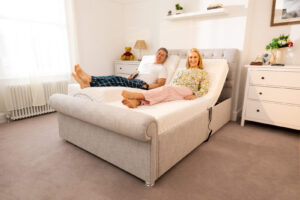
How to Sleep for Blood Circulation
Nighttime can bring its own unique set of challenges, particularly if you struggle with restlessness or with keeping warm in bed. Understanding how to sleep with circulation in mind can transform your quality of rest, leaving you feeling much more refreshed in the morning.
Knowing the best position to sleep in for poor circulation makes all the difference. Generally, the ideal position involves keeping your legs slightly elevated. Elevating your lower limbs by just a few inches takes the pressure off your veins and prevents blood from pooling in your lower legs overnight.
Learning how to improve circulation in bed becomes much simpler with a tailored solution. An adjustable bed for blood circulation allows you to raise the foot of the bed to the exact level you need with complete stability. To take things a step further, the zero gravity sleeping position, achievable with an adjustable bed, is great for improving circulation, reducing back pain, improving digestion and opening up your airways, helping you get a great night’s sleep.
Daily Habits to Boost Your Comfort
Beyond your furniture, there are a few other gentle habits you can easily introduce to your day:
- Stay Hydrated: Drinking enough water keeps your blood at a healthy consistency, making it much easier for your heart to pump it through your body.
- Keep Warm: Cold temperatures cause blood vessels to constrict. Keeping warm with layers, cosy socks, or enjoying a warm bath can help dilate your blood vessels and improve circulation.
- Gentle Self-Massage: Lightly stroking your legs and arms upward toward your heart can gently encourage sluggish blood flow to move along.
What To Avoid if You Have Poor Circulation
While focus is often on what healthy habits to add to your routine, the British Heart Foundation notes that being mindful of a few things to avoid can protect your skin and blood vessels from further strain:
- Direct Heat on Cold Limbs: When your hands or feet feel chilly or numb, it is incredibly tempting to place them directly next to a portable heater or a hot water bottle. However, because poor circulation can temporarily dull your temperature sensitivity, you might not feel if the skin is getting too hot. Opt for cosy layers or a lukewarm bath instead to warm up safely.
- Overly Tight Clothing: While medically prescribed compression stockings are excellent for promoting flow, tight everyday trousers, waistbands, or narrow shoes can have the opposite effect. They can act like a bottleneck, restriction-pinching your blood vessels. Embracing loose, breathable clothes allows your blood to travel freely.
- Harsh Skin Habits: Techniques like ‘dry brushing’ with stiff bristles are sometimes recommended online. However, there is no scientific evidence that it aids long-term circulation, and it can easily irritate or tear fragile skin.
Smoking: Cigarette smoke introduces chemicals that damage and narrow the walls of your blood vessels, making it significantly harder for oxygen-rich blood to reach your extremities. Stepping away from smoking is one of the most powerful gifts you can give to your circulatory health.
Supporting Your Independence Every Day
Living with low mobility doesn’t mean you have to accept the discomfort of poor circulation. By focusing on small, comfortable changes, like mindful sitting positions, simple exercises, and supportive home solutions, you can make a wonderful difference to your daily wellbeing.
At Grosvenor Mobility, we believe that your home should be a place of ultimate comfort and dignity. If you would like to discover how a tailored riser recliner or adjustable bed could support your independence and comfort, why not book a free, no-obligation home trial? It’s a completely relaxed way to experience the benefits firsthand, right in the heart of your own living room.
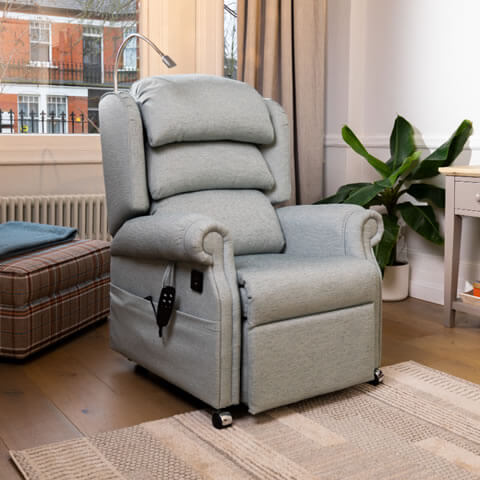
Riser Recliner Chairs
Choosing a riser recliner chair is a personal decision. This is the chair you will sit in every day, designed to feel just as right the moment you settle in as it does when it helps you back to your feet. That is why every chair we offer is bespoke, tailor-made to fit you perfectly. It is the difference between a chair that simply reclines and one that properly supports you & your independence. The result is the kind of comfort you notice straight away and the kind of support that quietly makes daily life feel easier.
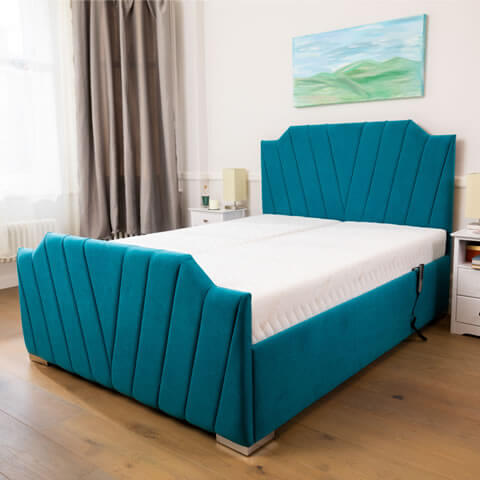
Adjustable Beds
The bedroom is your sanctuary. It’s your place to rest, unwind and totally relax. But to do so, you need the perfect adjustable bed; comfortable and luxurious. At Grosvenor Mobility our range of electric mobility recliner beds do just that. Featuring easy-to-use handsets that operate our ultra-quiet motors allowing you complete control at the touch of a button.