







How to Manage Multiple Sclerosis
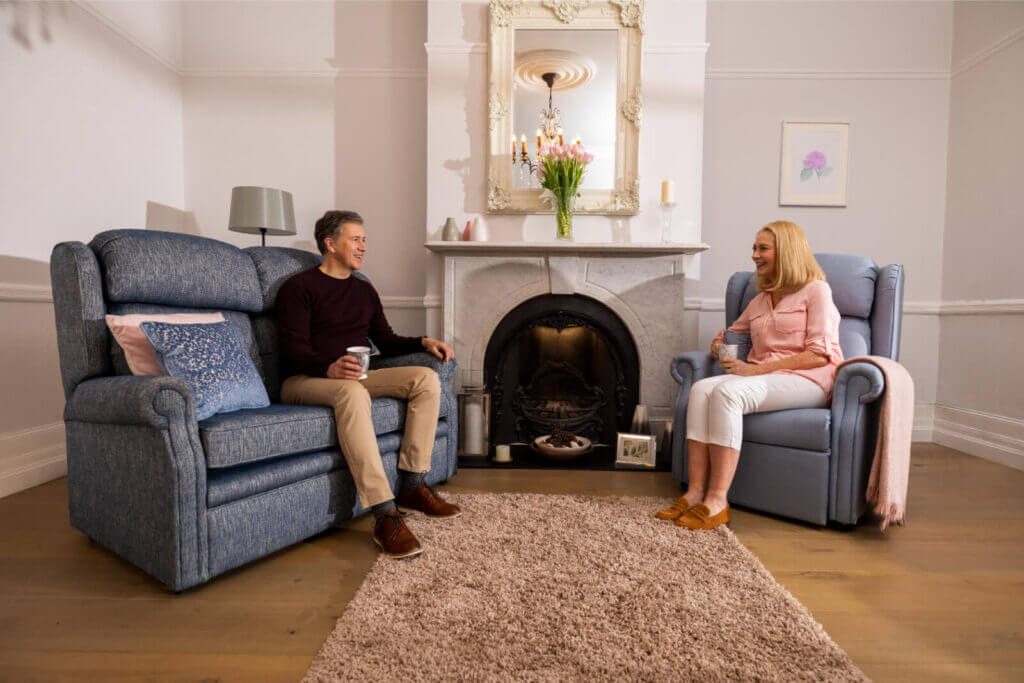
Receiving a diagnosis or watching a loved one navigate a long-term condition can feel daunting. Multiple Sclerosis (MS) brings unique emotional and practical challenges, from unpredictable fatigue to changes in your daily balance and movement.
The good news is that with the right strategies, specialised support, and small adjustments around the home, you can maintain an active, fulfilling, and independent lifestyle. Learning how to navigate your symptoms can give you back a sense of control and practical confidence.
What is Multiple Sclerosis?
Before exploring ways to navigate the condition daily, it’s helpful to learn what multiple sclerosis is in clear, everyday language. MS is a lifelong condition that affects your central nervous system – specifically your brain and spinal cord.
In a healthy body, nerves are covered by a protective coating called myelin, which helps messages travel smoothly from your brain to the rest of your body. With MS, your immune system mistakenly attacks this coating, causing small scars or lesions. This can disrupt the nerve messages, leading to common symptoms like fatigue, balance issues, muscle stiffness, or changes in vision.
If you’ve recently been diagnosed, you might be wondering how common multiple sclerosis is. MS is more widespread than many realise. According to MS-UK, there are over 150,000 people estimated to be living with MS across the UK, with around 135 new diagnoses made every single week. Knowing that you’re part of a large, supportive community can offer immense comfort as you learn to navigate your health journey.
How to Manage Multiple Sclerosis and Slow Progression
Learning how to manage multiple sclerosis effectively involves working closely with your healthcare team. While everyone’s journey with MS is unique, a balanced approach combining medical care and gentle lifestyle adaptations can beautifully support your wellbeing.
A primary concern for many individuals is how to stop MS progression. While there is currently no way to completely halt the condition on your own, modern disease-modifying therapies (DMTs) prescribed by medical specialists are highly effective at reducing the frequency and severity of relapses, helping to slow down disability progression over time.
Alongside your prescribed medical treatments, small daily lifestyle choices can help support your body:
- Gentle movement: Activities like stretching, chair-based exercises, or water aerobics can help manage muscle stiffness and keep you flexible without overexerting yourself.
- Balanced nutrition: Sticking to a healthy diet featuring a variety of whole, nutrient-dense foods supports your overall energy levels and immune health.
- Temperature control: Many people with MS are sensitive to heat. Staying hydrated, using cooling fans, or enjoying cool baths can keep you comfortable when temperatures rise.
How to Live with MS: Practical Tips for Daily Energy
Discovering how to live with MS in a way that preserves your energy is incredibly empowering. Because fatigue is one of the most common and disruptive symptoms, learning to pace yourself is a vital part of how to make life easier with MS.
MS-related fatigue isn’t just ordinary tiredness after a busy day; it’s a deep exhaustion that occurs because your nervous system has to work much harder to send signals throughout your body.
Giving yourself permission to rest throughout the day isn’t giving in to the condition – it’s a smart, proactive strategy to protect your energy reserves. Try breaking larger tasks into smaller, manageable steps and taking regular micro-breaks before you feel completely exhausted. Listening to your body allows you to enjoy the activities you love without feeling overwhelmed.

Creating a Comfortable Home: Supportive Furniture Solutions
Your home should be a sanctuary of safety, relaxation, and ease. As mobility or energy levels shift throughout your journey, selecting the right furniture for multiple sclerosis patients can make a wonderful difference. Rather than forcing your body to adapt to your environment, your furniture can be tailored to support your unique physical needs.
Finding the Best Chairs for MS
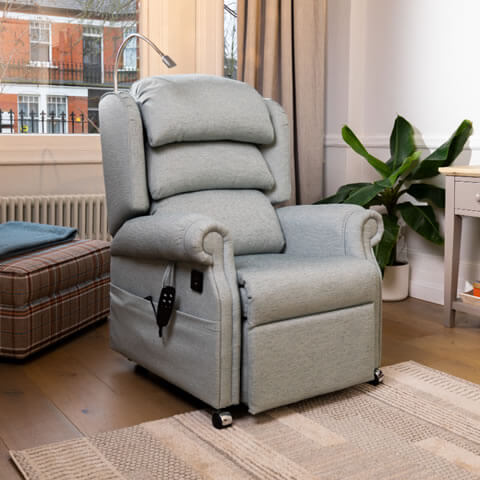
When sitting for longer periods, standard armchairs often fail to offer the specialised posture support your body requires. When looking for the best chairs for MS, a custom-built riser recliner chair can be an exceptional tool for daily living.
These chairs, such as our flagship Grosvenor Chair, feature gentle, motorised mechanisms that lift and tilt to assist you smoothly from a seated position to standing. This significantly reduces the strain on your hips, back, and knees during times of muscle weakness or poor balance. Furthermore, the ability to recline and elevate your legs can help manage circulation, ease painful muscle spasms, and provide a deeply restful position during periods of heavy fatigue.
What is the Best Bed for MS Patients?
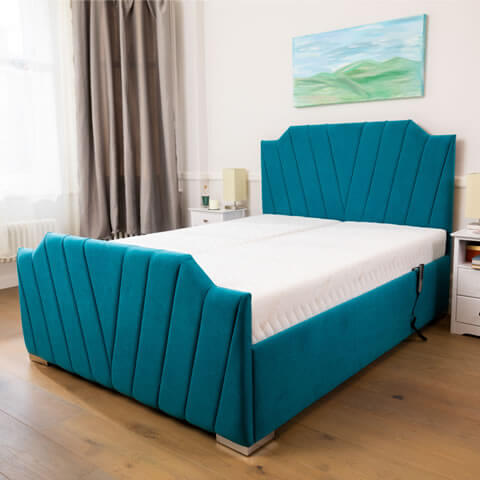
Getting a restorative night’s sleep is essential for managing daily neurological fatigue. If you’re exploring the best beds for MS patients, an adjustable bed is often the ideal choice.
An adjustable bed, like the Nightingale, allows you to raise your head or feet independently at the simple touch of a button. Raising the head of the bed slightly can make sitting up to read, eating, or getting out of bed much easier, preserving your valuable morning energy. Elevating your legs can also alleviate pressure on the lower back and soothe restless leg sensations, helping you drift off into a deep, healing sleep.
Your Next Steps Toward Comfort
Living with MS involves adapting to changes with patience and kindness toward yourself. By focusing on the positive small steps you can take each day, you can protect your energy, manage your symptoms, and significantly enhance your overall quality of life.
At Grosvenor Mobility, we’re dedicated to helping you remain independent, dignified, and perfectly comfortable in your own home with our bespoke mobility furniture. If you would like to explore how a riser recliner chair or an adjustable bed could support comfort and independence at home, we invite you to book a free, no-obligation home trial. It’s a gentle, relaxed way to experience the comfort firsthand in the environment that matters most to you.
Riser Recliner Chairs
Choosing a riser recliner chair is a personal decision. This is the chair you will sit in every day, designed to feel just as right the moment you settle in as it does when it helps you back to your feet. That is why every chair we offer is bespoke, tailor-made to fit you perfectly. It is the difference between a chair that simply reclines and one that properly supports you & your independence. The result is the kind of comfort you notice straight away and the kind of support that quietly makes daily life feel easier.
Adjustable Beds
The bedroom is your sanctuary. It’s your place to rest, unwind and totally relax. But to do so, you need the perfect adjustable bed; comfortable and luxurious. At Grosvenor Mobility our range of electric mobility recliner beds do just that. Featuring easy-to-use handsets that operate our ultra-quiet motors allowing you complete control at the touch of a button.