







Living with Neuropathic Pain
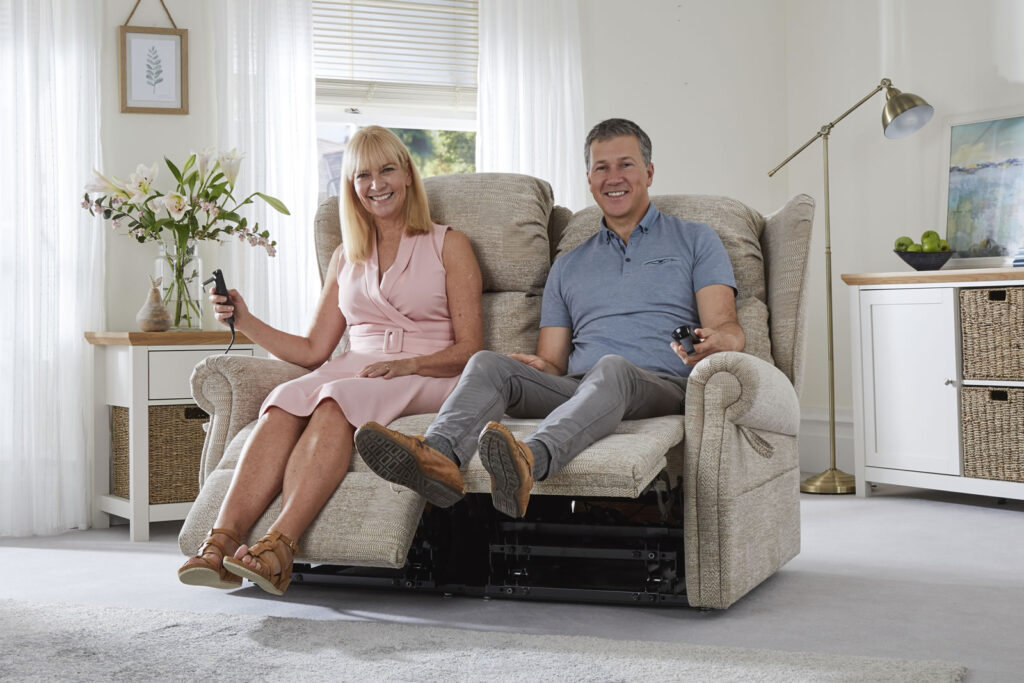
Living with persistent, tingling pain can feel daunting. In the UK, neuropathic pain affects up to 9% of the population. While these sensations are challenging, you are not alone.
Understanding your symptoms is the first step towards finding relief. The good news is that small changes can make a big difference in helping you feel more comfortable and confident every day. Let’s explore neuropathic pain and how to live with it.
What is Neuropathic Pain?
Simply put, it’s pain caused by a problem with your nerve signals. Instead of carrying normal messages, your nerves may misfire. This can result in unusual sensations that are often hard to describe. When learning to identify neuropathic pain, look for these common symptoms:
- A sharp, stabbing, or shooting sensation.
- A feeling of pins and needles or tingling.
- A burning or electric-shock feeling.
- High sensitivity to touch or temperature changes
Recognising these signs helps you discuss your health more clearly with your doctor.
What are Common Neuropathic Ailments?
Nerve pain can show up in different ways. This depends on which nerves are affected and why. One very common example is sciatica. This happens when the sciatic nerve in your lower back is irritated, often causing a sharp or tingling sensation down the leg. Other common types include:
- Diabetic Neuropathy: Nerve damage that can happen if you have high blood sugar.
- Post-herpetic Neuralgia: Persistent pain that some people feel after having shingles.
- Carpal Tunnel Syndrome: Discomfort caused by pressure on the nerves in your wrist.
Understanding which type you are experiencing is helpful. It allows you to find the right support for your specific needs.
What Causes Neuropathic Pain?
Understanding the why behind your pain can be very empowering. The NICE guidelines explain that nerve damage often stems from specific health conditions.
Physical Changes and Injuries
Sometimes, a past injury to your spine or limbs is the root cause. It could even be a lingering effect from a recent surgery. These physical changes can put pressure on your nerves over time.
Long-term Health Conditions
For others, the cause is linked to a long-term health condition. For example, diabetes or multiple sclerosis can sometimes affect how nerves send signals. Knowing this helps you and your doctor find the best path forward.
The Natural Process of Ageing
It is also very common for our nerves to change as we get older. Wear and tear on our joints is a natural part of life. This can sometimes lead to that tingling sensation in our hands or feet.
How Nerve Pain Impacts Mobility
Nerve pain does more than just hurt; it affects how you move. You might find yourself adjusting your body to avoid certain movements. This can lead to stiffness and a loss of physical confidence.
Over time, you may feel less inclined to move around your home. However, staying mobile is vital for your long-term independence. Acknowledging the impact on your movement is a brave first step towards improvement.
Managing and Reducing Neuropathic Pain
Managing pain often takes time and patience. The good news is that treatment options are always evolving. A multi-layered approach often works best for long-term relief and comfort.

Start with a Professional Conversation
A gentle chat with your GP is a great starting point. They can help create a treatment plan tailored just for you. The NICE guidelines also highlight many safe ways to manage these sensations effectively.
Pacing Your Day
It may be helpful to pace your daily activities. Try breaking larger tasks into smaller, manageable steps. This will help you manage fatigue and keep you feeling in control of your day.
Staying Active with Gentle Movement
Gentle movement can make a big difference to your wellbeing. Short walks or chair-based exercises keep your joints supple. This also improves circulation, which helps repair your nerves.
Using Warmth and Supportive Furniture
Many people find relief through the simple use of warmth. Keeping warm with a bath or a hot water bottle can soothe sensitive areas. Your furniture can also play a key role in your daily comfort.
Many of our riser recliner chairs feature optional wellness functions. One helpful addition is the built-in heat and massage feature. This works to keep you warm while gently soothing your back. It is a simple way to stay relaxed and comfortable at home.
Support, Comfort and Independence at Home
While wellness features are wonderful, mobility furniture supports you in many other ways, too. It can help you find the best posture for your unique needs and provide relief from back pain. Mobility furniture is all about giving you the confidence to enjoy your day.
Riser recliner chairs help you find the perfect position to ease nerve pressure. By gently elevating your legs, you can improve your circulation while staying relaxed. This simple adjustment helps reduce swelling and provides the comfort you deserve at home.
Adjustable beds are also excellent for those struggling with pain during the night. They allow you to sleep in a position that supports your spine and nerves. These small changes can provide the peace of mind you deserve. They help you stay independent, comfortable, and in control of your daily life.
Find Your Perfect Fit
We understand that everybody is different. What works for one person might not be right for another. Finding the perfect fit is important for your lasting comfort.
That is why we offer a free home trial. This allows you to test our furniture in your own home. There is no pressure and no obligation. It is simply an opportunity to find what helps you most!
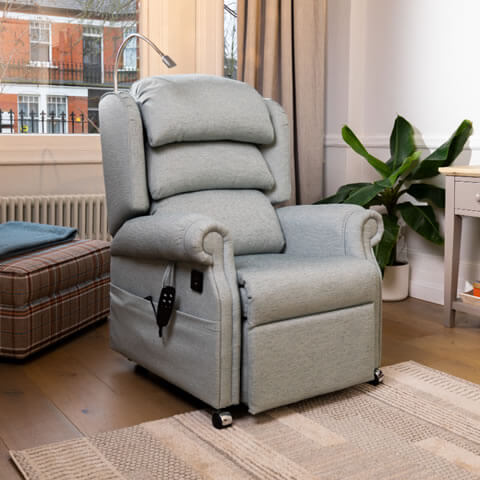
Riser Recliner Chairs
Choosing a riser recliner chair is a personal decision. This is the chair you will sit in every day, designed to feel just as right the moment you settle in as it does when it helps you back to your feet. That is why every chair we offer is bespoke, tailor-made to fit you perfectly. It is the difference between a chair that simply reclines and one that properly supports you & your independence. The result is the kind of comfort you notice straight away and the kind of support that quietly makes daily life feel easier.
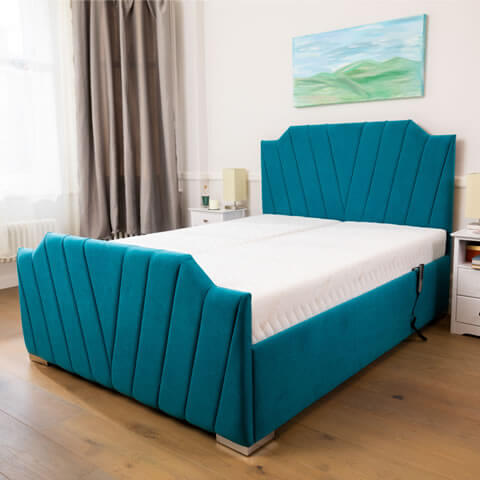
Adjustable Beds
The bedroom is your sanctuary. It’s your place to rest, unwind and totally relax. But to do so, you need the perfect adjustable bed; comfortable and luxurious. At Grosvenor Mobility our range of electric mobility recliner beds do just that. Featuring easy-to-use handsets that operate our ultra-quiet motors allowing you complete control at the touch of a button.