







How to Help Seasonal Affective Disorder
As the days shorten and the weather grows cold, many people naturally feel a dip in mood or energy. For some, however, these changes run much deeper than the simple ‘winter blues’. This is Seasonal Affective Disorder (SAD), a form of depression that follows the changing seasons.
It’s an issue that impacts many people across the UK, and for older adults, especially those with reduced mobility or who live alone, the lack of sunlight and increased isolation can severely worsen the symptoms. This guide is designed to help you recognise the signs and provide practical, caring support to your loved one throughout the colder months.
What is Seasonal Affective Disorder?
Seasonal Affective Disorder is a recognised depressive illness that usually begins in the autumn and lifts in the spring. It is distinct from ordinary depression because of its specific, recurring seasonal pattern.
While the exact cause is unclear, experts believe reduced exposure to natural sunlight is a significant contributor. This lack of light affects the brain’s chemistry, often leading to:
- Disruption of the body’s internal clock (circadian rhythm): The lack of daylight confuses the body’s natural sleep cycle.
- Changes in melatonin: The body may produce melatonin (the sleep hormone) at higher than normal levels, leading to excessive sleepiness.
- Changes in serotonin: Serotonin, which affects mood, appetite, and sleep, may drop due to reduced sunlight.
The core problem is that people who are less mobile or more isolated struggle to get the vital exposure to natural light and social interaction needed to keep their body and mind regulated.
Symptoms of Seasonal Affective Disorder
It is vital to look for persistent symptoms that last longer than just a few days of feeling “down.” Symptoms often mirror general depression but with specific winter patterns:
- A persistent feeling of sadness, hopelessness, or increased frustration.
- Sleeping for longer than normal and finding it difficult to wake up in the morning.
- Losing pleasure in hobbies or activities that were previously enjoyed.
- Feeling sluggish and finding it hard to get motivated or concentrate.
- Cravings for carbohydrates and sugary foods which can lead to weight gain.
- A strong desire to ‘hibernate’ and avoid contact with friends and family.
If you observe these symptoms occurring repetitively in yourself or a loved one each winter, it may be time to discuss them with a GP.

How to Help Someone with Seasonal Affective Disorder
Helping someone with SAD requires a combination of practical changes, emotional support, and, if needed, professional intervention. Focusing on light, movement, and routine is key to helping seasonal affective disorder.
Listen to Your Loved One
Be present and offer a non-judgemental ear. Start by validating their experience, acknowledging that their feelings are real and not just “the winter blues.” Gently avoid common clichés like “cheer up,” as they can feel dismissive. Instead, offer practical help, such as assisting with errands or preparing nutritious meals, which directly counteract the low energy associated with SAD.
Help Them Find Support If They Need It
Since SAD is a medical condition, professional treatment may be required. Encourage consultation with a GP to explore options. This could include talking therapies like CBT to manage negative thoughts, light therapy using a special light box to simulate daylight (a popular way to help seasonal affective disorder), or, in more severe cases, medication such as antidepressants.
Help Them with Routines
Losing routine is common when energy is low, but consistency is vital. Encourage a regular sleep schedule, sticking to the same bedtime and wake-up time, even on weekends. Help them maintain a healthy dietary balance by ensuring the fridge is stocked with nutritious meals to curb the energy crashes caused by high-carb cravings. Prioritise social connection by scheduling regular calls or visits to break the cycle of social withdrawal.
Spend Time Outside
Exposure to natural light is crucial for rebalancing body chemistry. Encourage getting outside for a short period daily, ideally around midday. Gentle outdoor walks, light gardening or just having a chat in the local park can make a real difference, helping them receive the sunlight they need during the colder, darker time of year.
Support at Home With Mobility Furniture
If you have an elderly or mobility-challenged loved one battling SAD at home, mobility furniture can provide comfort, support and independence for them at home. While getting out and keeping busy is important, it’s vital to have a tailored place to rest and recover, especially when it’s cold outside.
With a free home trial from Grosvenor Mobility, your loved one can experience the benefits of mobility furniture at home, with no obligation to buy. Whether they suffer from back pain, poor posture or just struggle to get a good night’s sleep, our range of riser recliner chairs and adjustable beds can provide a range of benefits that can make a positive difference in someone’s life. Get in touch today to see what we can do for you and your loved one!
Riser Recliner Chairs
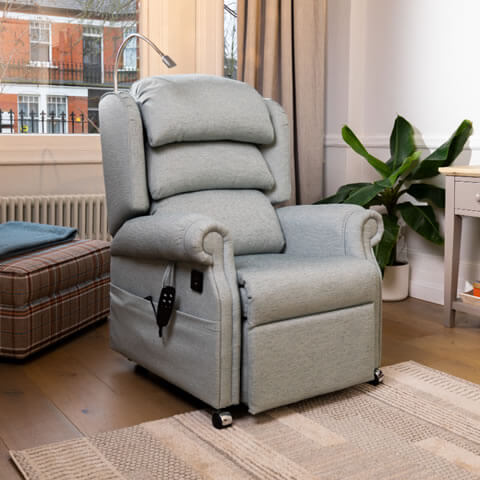
Choosing a riser recliner chair is a personal decision. This is the chair you will sit in every day, designed to feel just as right the moment you settle in as it does when it helps you back to your feet. That is why every chair we offer is bespoke, tailor-made to fit you perfectly. It is the difference between a chair that simply reclines and one that properly supports you & your independence. The result is the kind of comfort you notice straight away and the kind of support that quietly makes daily life feel easier.
Adjustable Beds
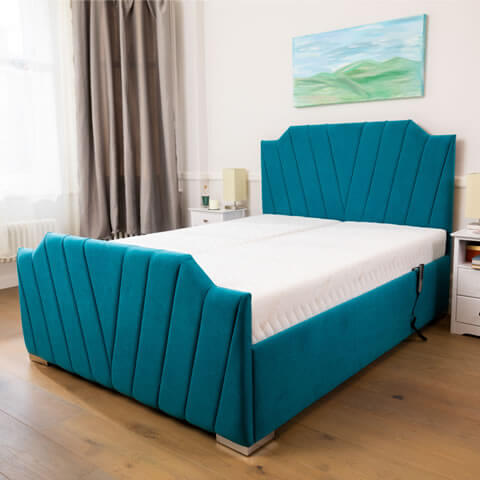
The bedroom is your sanctuary. It’s your place to rest, unwind and totally relax. But to do so, you need the perfect adjustable bed; comfortable and luxurious. At Grosvenor Mobility our range of electric mobility recliner beds do just that. Featuring easy-to-use handsets that operate our ultra-quiet motors allowing you complete control at the touch of a button.