







How to Manage Osteoporosis

Osteoporosis affects more than three million people in the UK and often develops quietly over time. Many people only discover they have the condition after a fracture or sudden change in posture or mobility. While osteoporosis can feel daunting, there are effective ways to manage it, reduce risks, and stay independent at home.
This guide explains what osteoporosis is, what causes it, and how to manage the condition day to day, including practical steps you can take at home to protect your bones, your comfort, and your confidence.
What is Osteoporosis?
Osteoporosis is a condition where bones lose strength and become more fragile, meaning they break more easily than expected. These breaks, also known as fractures, commonly affect the hips, spine and wrists and can have a lasting impact on mobility and independence.
As bone density decreases, people may experience ongoing back pain caused by small fractures in the spine, a gradual loss of height, or worsened posture. Balance can also become affected, increasing the risk of falls and the need for additional support when moving, sitting, or standing.
Because osteoporosis often progresses without obvious symptoms at first, many people live with the condition for years before it is diagnosed.
What Causes Osteoporosis?
Several factors influence how likely someone is to develop osteoporosis. Bone health is shaped early in life, with peak bone mass usually reached in early adulthood. The higher this peak, the more bone strength you have to draw on as you age.
Age plays a major role, with risk increasing steadily over time. Women are more likely to develop osteoporosis than men, largely due to the drop in oestrogen during menopause, a hormone that helps protect bone density. Men can also develop the condition, particularly later in life or where testosterone levels fall.
Body size matters too. People with smaller frames tend to have less bone mass to begin with, which can increase vulnerability. Lifestyle factors also contribute, including low calcium intake, vitamin D deficiency, smoking, excessive alcohol consumption, and long periods of inactivity.
Certain medical conditions such as coeliac disease or rheumatoid arthritis can weaken bones, as can long-term use of medications like steroid tablets.
Is Osteoporosis Hereditary?
Osteoporosis does have a strong hereditary component. If a parent or sibling has the condition, particularly if they experienced a hip fracture, your own risk is higher. Genetics influence bone size, density and quality, but lifestyle choices, nutrition and physical activity still play a significant role in how the condition develops and progresses.
How to Treat Osteoporosis
Although osteoporosis cannot be reversed, treatment focuses on slowing bone loss, strengthening bones, reducing pain, and lowering the risk of fractures. With the right support, many people continue to live active and fulfilling lives.
Consult a Professional for Medicine
Healthcare professionals may prescribe medication to help manage osteoporosis and protect bone strength. The most commonly used treatments are bisphosphonates, which slow the rate at which bone is broken down in the body. This helps maintain bone density and reduces fracture risk.
Examples include alendronic acid, ibandronic acid, risedronate and zoledronic acid. Healthcare professionals may also offer hormone-based treatments Oestrogen can help protect bone density in women after menopause, while testosterone may support bone health in men with low levels.
Treatment plans vary depending on individual risk factors, so regular reviews with a GP or specialist are essential.
Calcium and Vitamin D Intake
Calcium plays a key role in maintaining bone strength, while vitamin D helps the body absorb it effectively. Many people do not get enough vitamin D from diet alone, especially during the autumn and winter months.
Current UK guidance recommends that adults consider a daily supplement containing 10 micrograms of vitamin D during this time of year. Calcium can be increased through diet, supplements, or a combination of both, depending on individual needs and medical advice.
Strength-Building Exercise
Appropriate exercise helps slow bone loss, improves muscle strength, and supports balance, which is vital for preventing falls. Weight-bearing activities such as walking, dancing and gardening, along with gentle resistance training, can be particularly beneficial.
Balance-focused movements also help improve stability and confidence when moving around the home. High-impact exercises or movements that involve bending or twisting the spine sharply may not be suitable for everyone, so it is important to seek guidance from a healthcare professional before starting a new routine.
Creative a Supportive Environment
Managing osteoporosis at home often involves adapting your surroundings to reduce strain on the body and minimise the risk of falls. Removing trip hazards, improving lighting, and ensuring frequently used items are within easy reach can all make daily life safer and more comfortable.
Supportive mobility furniture also plays an important role. Adjustable beds can help relieve pressure on the spine, improve sleep positioning, and make getting in and out of bed easier. Riser recliner chairs support posture, reduce strain on joints, and offer controlled assistance when standing, helping people maintain independence with less discomfort.
Support When You Need It
By combining medical treatment, lifestyle changes, and the right home support, many people find they can manage osteoporosis more confidently and continue enjoying everyday activities.
If you are living with osteoporosis or caring for someone who is, the right support at home can make a meaningful difference. Grosvenor Mobility offers a free home trial, allowing you to experience how adjustable beds and riser recliner chairs can support comfort, posture and independence in your own space.
Taking small, practical steps today can help protect your mobility and quality of life for the future.
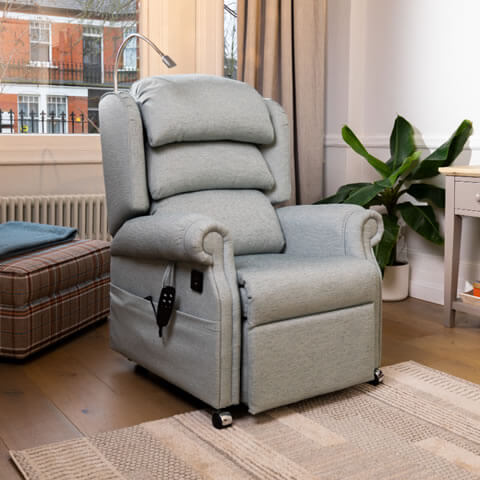
Riser Recliner Chairs
We believe everyone deserves the freedom to relax in complete comfort and independence at home. That’s why we proudly offer a premium range of riser recliner chairs and adjustable beds, designed to support your lifestyle and make everyday living comfortable again.
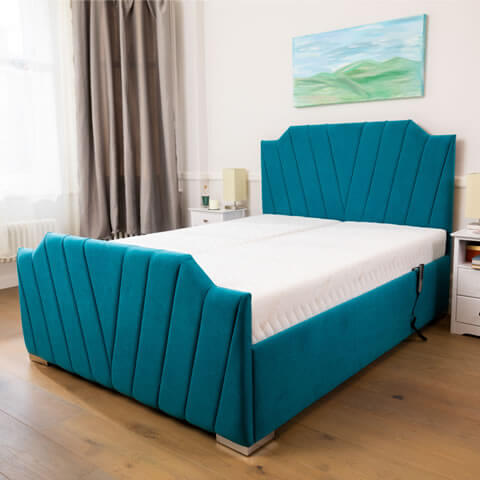
Adjustable Beds
The bedroom is your sanctuary. It’s your place to rest, unwind and totally relax. But to do so, you need the perfect adjustable bed; comfortable and luxurious. At Grosvenor Mobility our range of electric mobility recliner beds do just that. Featuring easy-to-use handsets that operate our ultra-quiet motors allowing you complete control at the touch of a button.