







How Much Sleep Do You Need?
We all know the feeling of waking up after a good night’s rest, ready to take on the day with energy and a clear mind. However, figuring out the right amount of rest to feel your best can sometimes be a challenge, especially as our routines and bodies change over time.
Sleep isn’t just about the number of hours on the clock; it’s about the quality of that rest and how it supports your independence, comfort, and general wellbeing at home.
Let’s look into how much sleep we need, and more specifically, what types of sleep we need to stay healthy, happy and energised.
How Much Sleep Do Adults Need?
While everyone’s needs are unique, health experts generally suggest that adults need around seven to nine hours of sleep per night. This provides enough time for the body to move through all the vital stages of recovery.
As we get older, our patterns often shift. Perhaps you find yourself waking up earlier or noticing your sleep is a bit lighter than it used to be. Because of this, many people wonder how much older adults should rest compared to younger adults. Interestingly, our biological requirement for rest doesn’t actually decrease significantly; the goal remains around seven to nine hours to ensure you stay healthy and alert.
Is Sleeping Too Much Healthy?
While we often worry about not getting enough rest, it is also worth considering the impact of too much sleep. If you consistently find yourself needing more than nine or ten hours but still feel tired, it could be a sign that your sleep quality is low.
The Different Kinds of Sleep You Should Get
To understand how to get a healthy amount of sleep, it helps to look at what happens behind the scenes. Sleep is made up of different cycles, each playing a specific role in keeping you well:
- Light Sleep: This is the beginning of the journey, where your heart rate slows and your body begins to relax.
- Deep Sleep: This is the most physically restorative stage. It’s when your body repairs tissue and strengthens your immune system.
- REM Sleep: The stage when you dream. This stage is vital for memory, learning, and keeping your mood balanced.
Each plays an important role in ensuring your body and mind can relax and recover for the next day.

What is a Healthy Sleep Schedule?
Establishing a healthy schedule is often about consistency. Our bodies have a natural internal clock that thrives on routine. This makes keeping a consistent bedtime and wake-up time important.
Improve your sleep routine by creating a relaxing bedroom without distractions, avoiding caffeine or overstimulation, and keeping your environment dimmed and relaxed before climbing into bed.
How to Get More Deep Sleep
If you wake up feeling physically stiff or unrefreshed, you might need more deep sleep. Since this is the time when your body focuses on physical recovery, prioritising your comfort is the most important step you can take to feel better.
Knowing how much deep sleep is healthy, usually about an hour or two for most adults, can help you gauge your energy levels. To encourage more of it, try to keep your bedroom cool and quiet, and ensure your body is fully supported so that aches and pains don’t pull you out of these deep cycles.
How to Get More REM Sleep
REM sleep usually increases in duration toward the morning, so if you’re wondering how to get more of it, the best thing you can do is ensure you aren’t cutting your sleep time too short. Reducing alcohol intake can also help, as it is known to disrupt these important mental processing cycles.
Regular exercise can help you fall asleep more quickly and achieve more REM sleep, too, making it an important part of achieving a healthy routine.
How Adjustable Beds Can Improve Your Sleep
Sometimes, the barrier to a good night’s rest isn’t a lack of routine, but physical discomfort. Whether it’s back pain, circulation issues, or difficulty breathing, staying comfortable through the night is essential for reaching those deeper stages of rest.
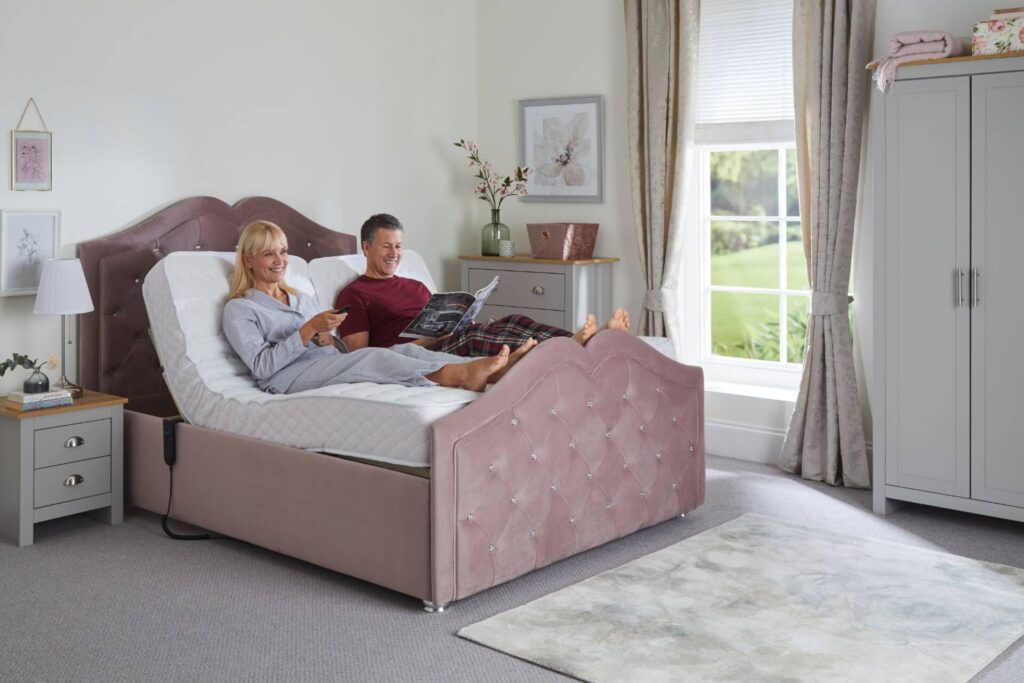
An adjustable bed can be a wonderful tool for supporting your independence and comfort at home. By allowing you to find the perfect position, these beds can help:
- Relieve joint pressure: Gently elevating the head or feet can take the strain off your lower back and hips.
- Ease breathing: A slight incline can keep your airways clear, helping you stay in a deeper sleep for longer.
- Support circulation: Raising your legs can reduce swelling and help your body feel more relaxed.
If you’re often disrupted by your partner tossing and turning, our split beds for couples could help, allowing each individual to control their own side of the bed and reduce snoring!
The good news is that better rest is achievable. By making small, practical changes to your environment and routine, you can look forward to waking up feeling refreshed, confident, and ready to enjoy your day.
If you’re interested in trying out an adjustable bed for yourself, why not try a free home trial? With no obligation to buy, you can test out the effectiveness of an adjustable bed in the comfort of your own home!
Riser Recliner Chairs
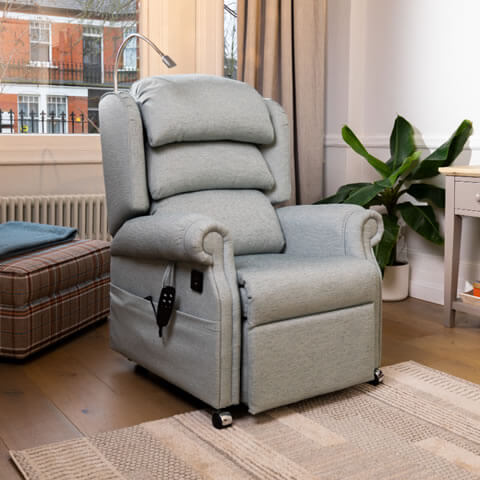
Choosing a riser recliner chair is a personal decision. This is the chair you will sit in every day, designed to feel just as right the moment you settle in as it does when it helps you back to your feet. That is why every chair we offer is bespoke, tailor-made to fit you perfectly. It is the difference between a chair that simply reclines and one that properly supports you & your independence. The result is the kind of comfort you notice straight away and the kind of support that quietly makes daily life feel easier.

Adjustable Beds
The bedroom is your sanctuary. It’s your place to rest, unwind and totally relax. But to do so, you need the perfect adjustable bed; comfortable and luxurious. At Grosvenor Mobility our range of electric mobility recliner beds do just that. Featuring easy-to-use handsets that operate our ultra-quiet motors allowing you complete control at the touch of a button.